
Far from the theater of war, the city of Manila was enduring as a colony that belonged to the United States at that date, at the end of World War II, the implacable fury of unleashed Japanese and conscientiously devastating Southeast Asia. The pearl of the Orient, it was still known like that then, the heart of Manila, Intramural (Intramuros), fell in ruins, the whole plane, stone by stone, devastated hit with the brutality of the worst earthquake. But, largely rebuilt, the scars already erased thanks to the passage of time, it cannot help but recall even today the colonial past of old Spain, on the indelible traces of the same architect who built El Escorial and who thought of it among the first.
Manila, perhaps chaotic, paves the way to discover Pampanga and Ilocos❞.
Tourists entering The Philippines —an archipelago with more than seven thousand islands, although only about a tenth of it habitable, no less — they dispense with Manila, Luzon Island in general, except for the necessary connection times to other destinations with views and the beach.
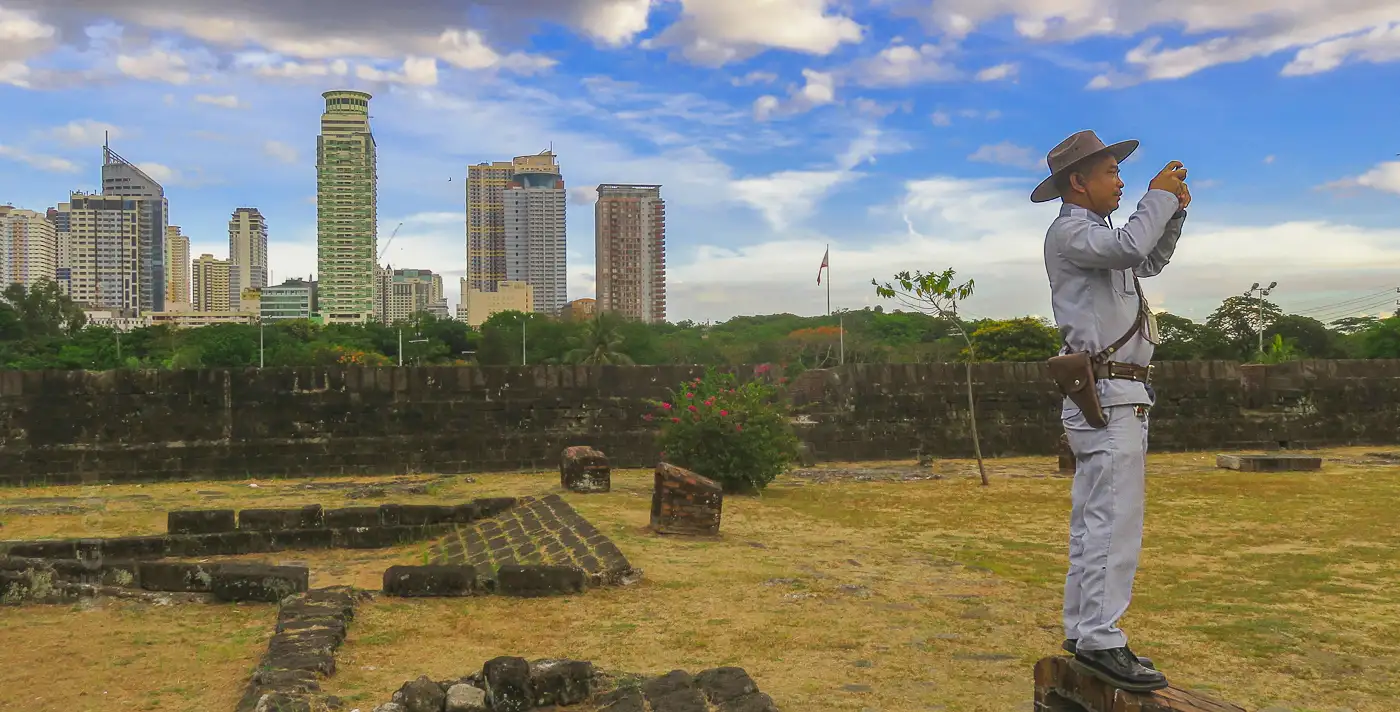
From the Intramuros moat, view of the modern urban skyline of Manila with its skyscrapers and the typical guard of the compound in colonial dress in a photographer's pose.
The shadow of the Gran Manila
Perhaps the chaotic local transport network, even for its own neighbors, the density and noisy atmosphere of its main roads together with the pressure of Metro Manila will become uncomfortable. But close treatment of the Manilans, its incredible and diverse range of restaurants, with a tasty cuisine, exquisite even, added to that attraction in which memory, traditions, startles and modernity coexist, apart from unexpected appointments, if you manage to get hold of boxing evenings o cockfighting [sabong], would surprise many of those, in the event that, reserved, more or less reserved sunsets, they were not sufficiently satiable, apart from being the easy way to reach Pampanga and Ilocos and its amazing colonial miniature, the town of Vigan, authentic heritage of humanity.
Boxing evenings or cockfights would surprise many tourists.❞.
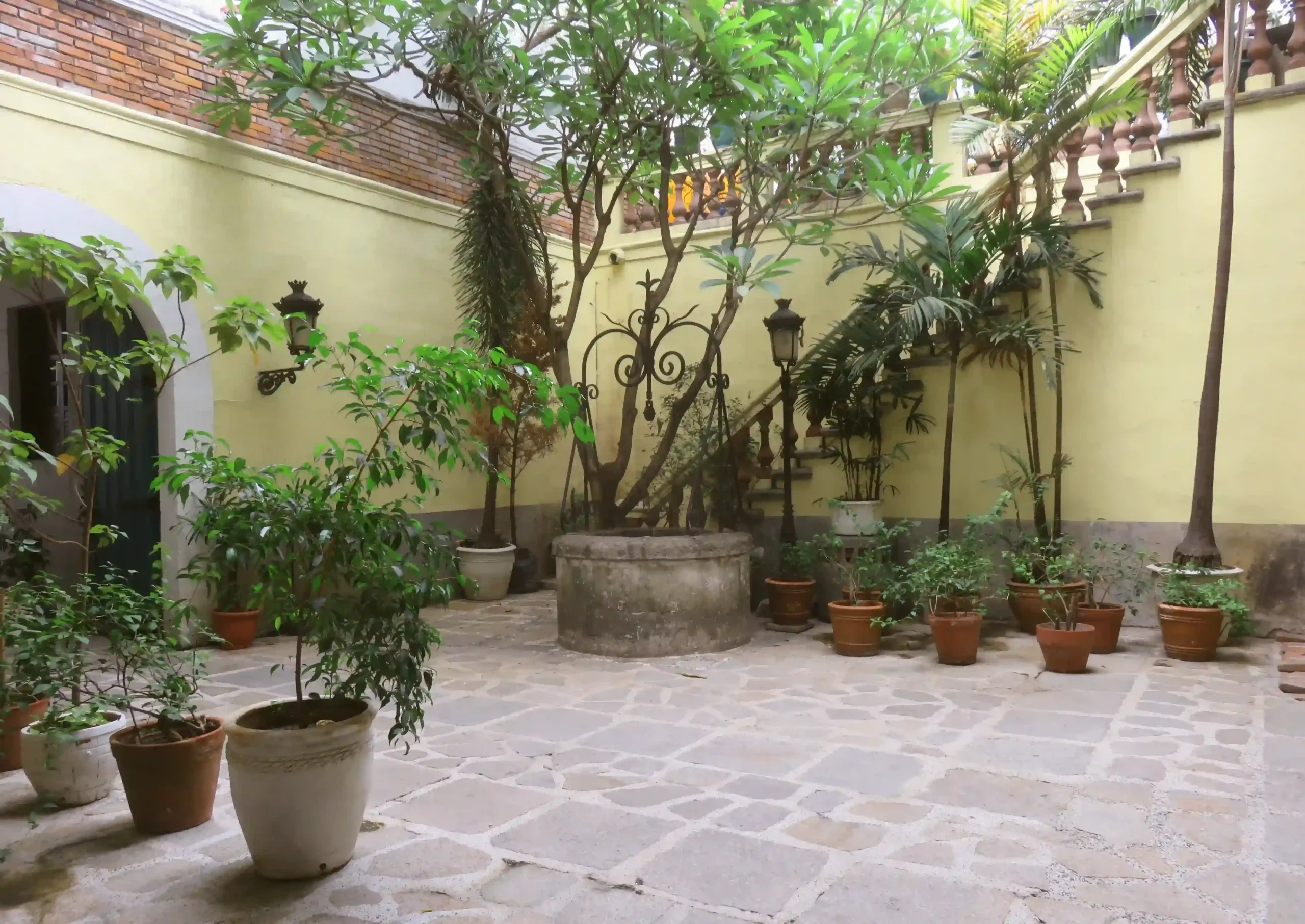
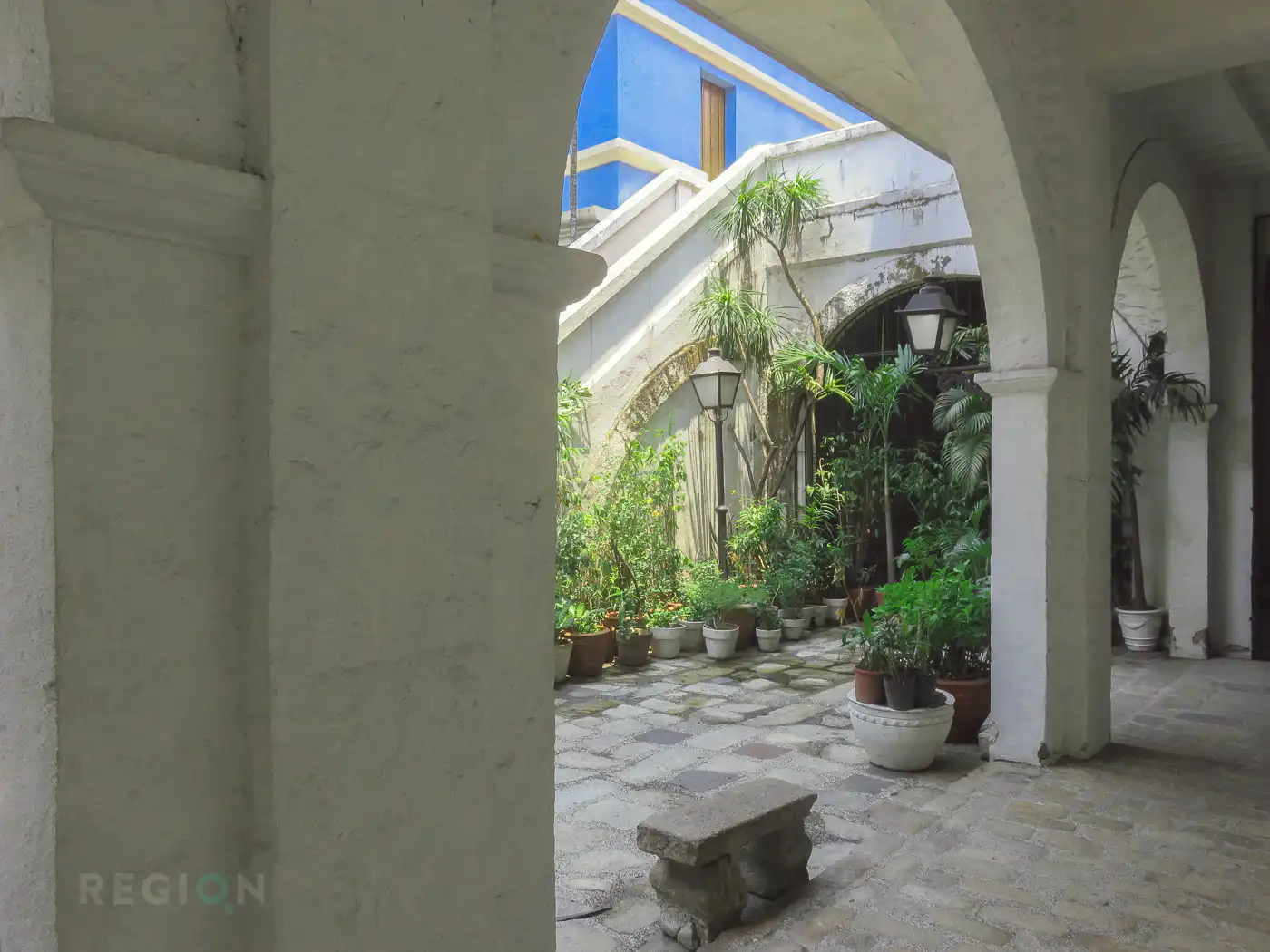
Evocative patios interiors in the Intramuros neighborhood with its unmistakable Spanish viceregal architecture.
The ceremony of kasal
The heart of Manila, Intramural (Intramuros), routinely administrative, ecclesiastical and university on a daily basis, it becomes a holiday on weekends and during the marked holidays of the Catholic calendar.
Apart from the cathedral, opposite the dilapidated fort, is the church and convent of the all-powerful Augustinians, guardians of the remains of the founder of the city half hidden in its presbytery, the Miguel López de Legazpi.
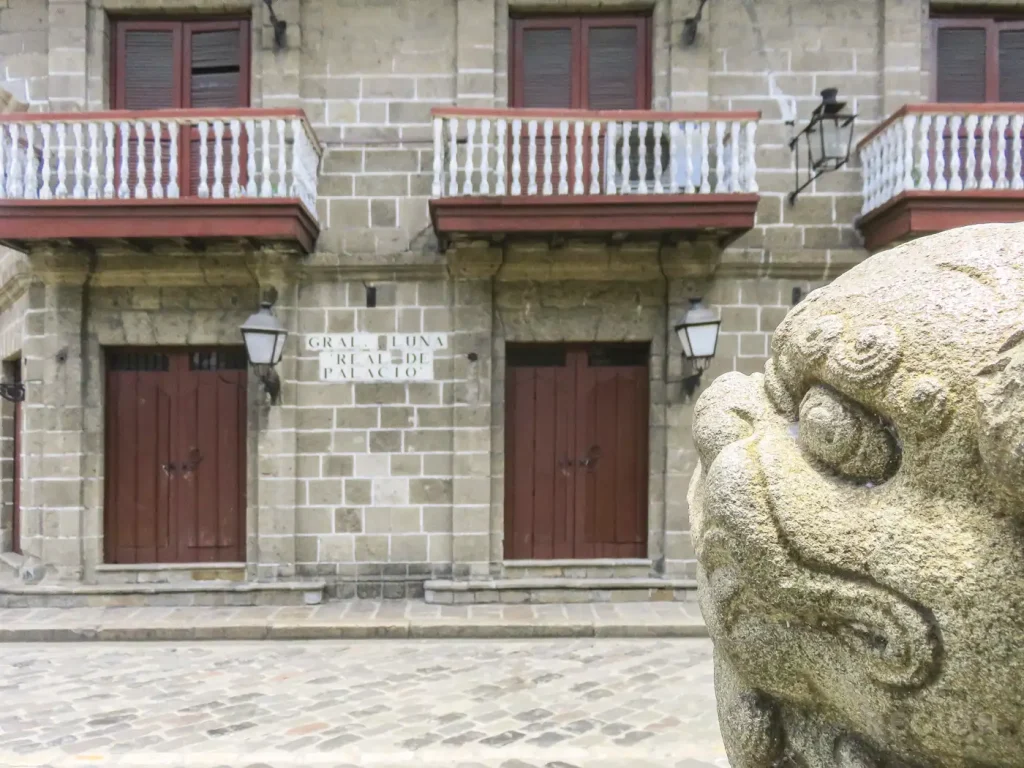
On the side of General Luna Street, in the square open to compass ahead to clear the conventual façade, in the line of carriages of the sorbetters (´sorberteros') —that is how they are still called in the Filipino language—, stationed near the doors of the temple, they also park, it is not very clear how, the endless white limousines from which the Filipinos will get out to seal weddings and banquets.

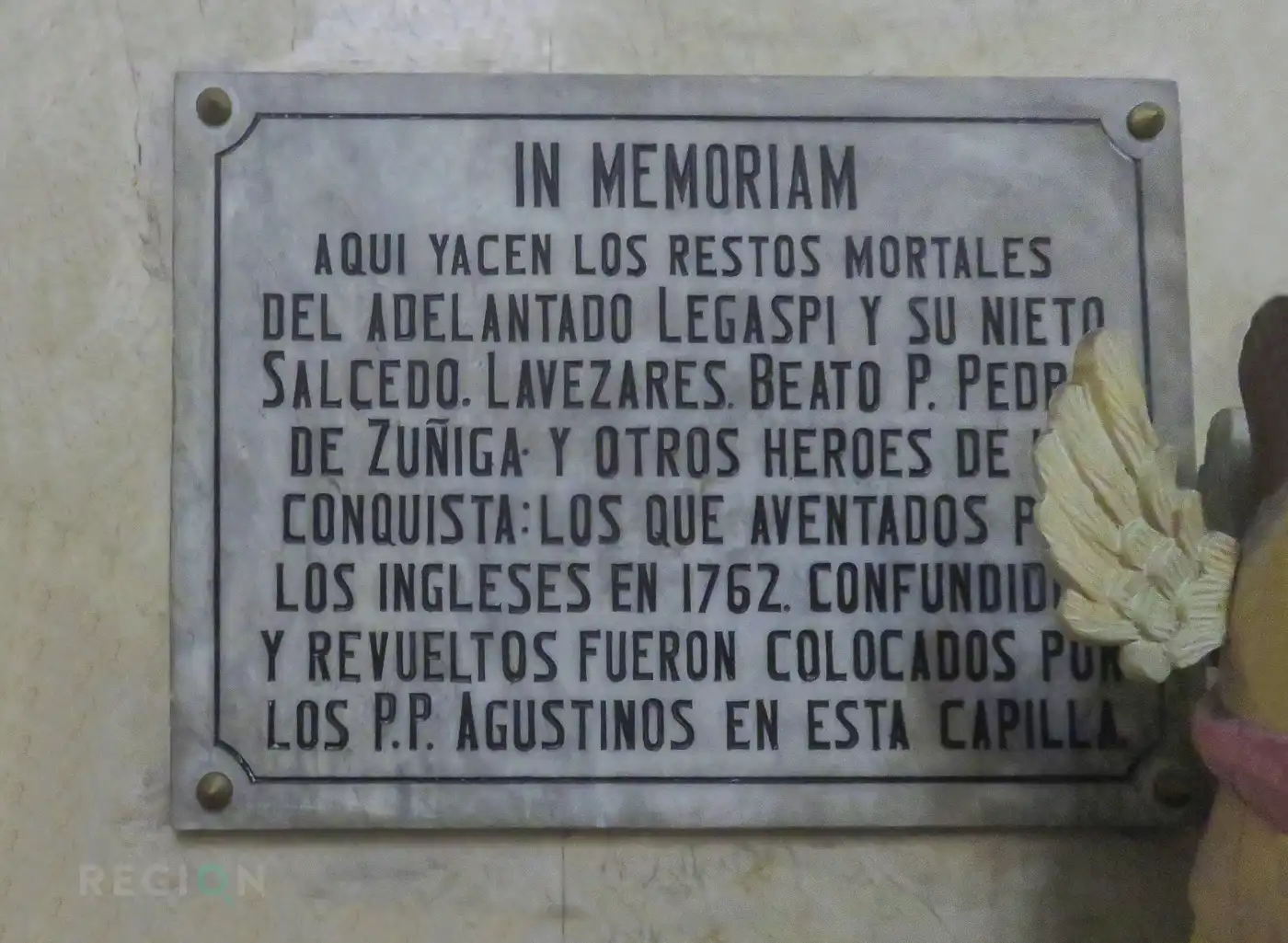
Trompe l'oeil of the vaults of the main nave of San Agustín in Intramuros and commemorative plaque in the chapel of the same convent church.
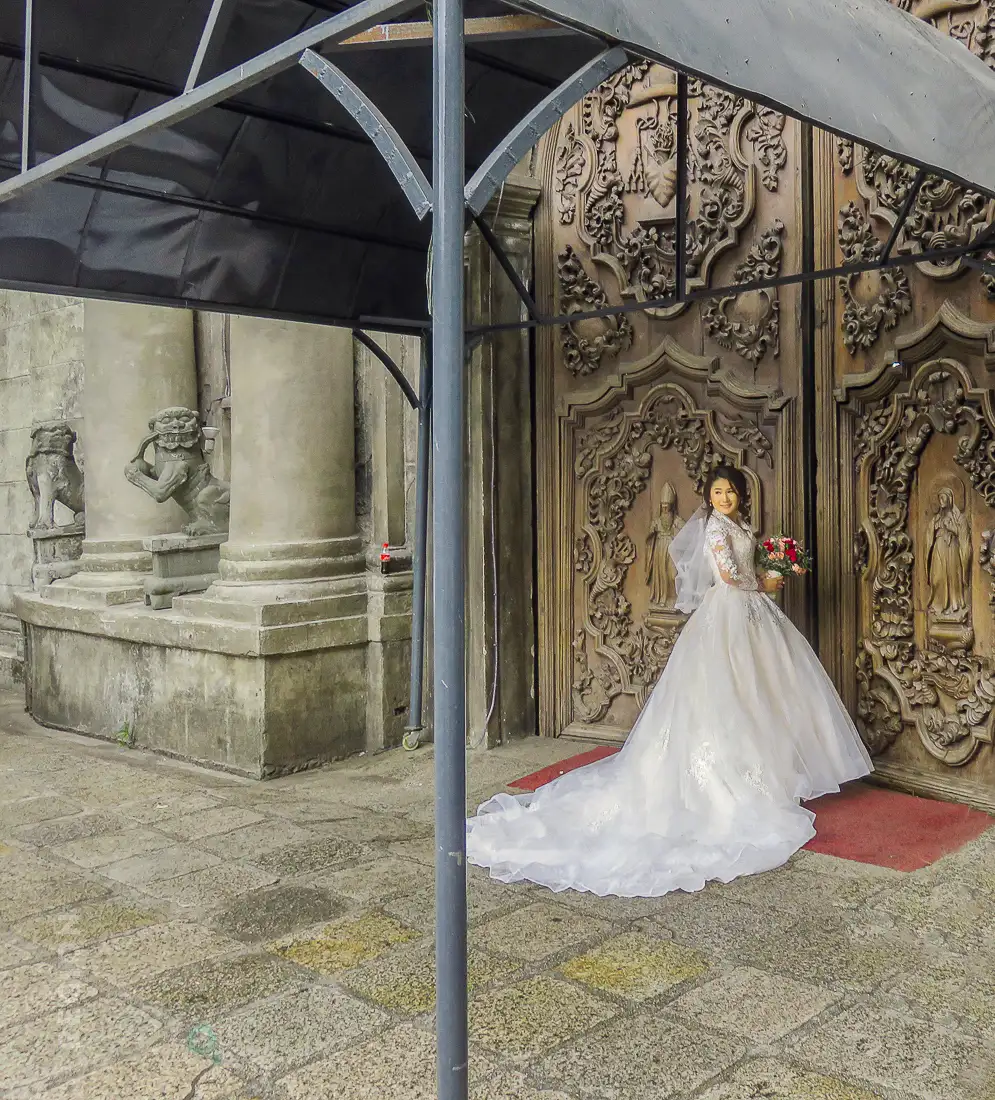
The ceremony of a wedding in Manila, of marriages in general —kasal in Tagalog—, does not have significant differences with the Catholic ceremonies here. Rain forecasts for a Filipino wedding are a sign, yes, of a happy marriage; arranged auspiciously and amply in favor of the elements in the tropics always.
Inclement aside, although there are multiple godparents, not just one as occurs on this side, the figure of the godmother monopolizes, with the bride, all the protagonism prior to the rite just as in Spain: he arranges, directs, orders, commands within the temple if the case arises; a gesture is enough.
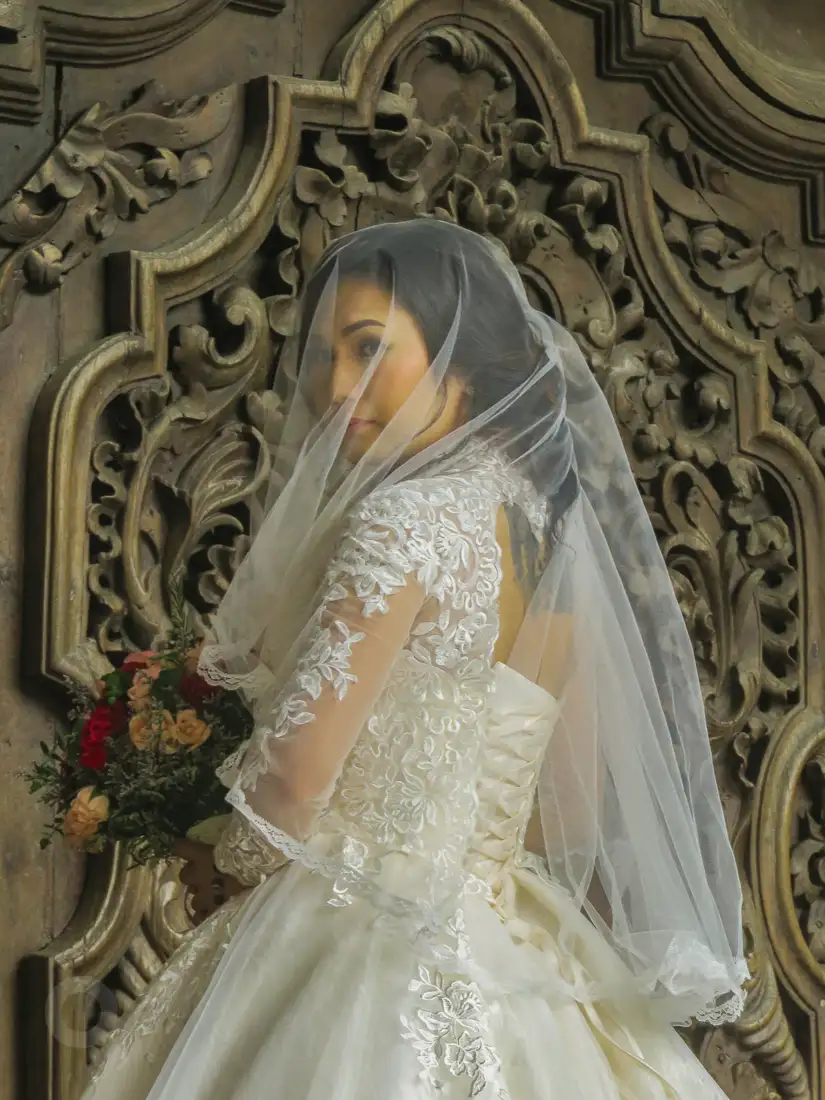
But the veil (a short one like the one in the photo), the bouquet in her hands, the train of her dress, and the sparkling white shoes draw everyone's attention. In the Philippines, the veil ritual is incorporated into the ceremony, draped over the shoulders of the bride and groom as a symbol of protection and unity, lighter than a yoke in any case.
Up to six godfathers but only one godmother in Philippine kasals❞.
Barongs and ninongs
Then, the same as here too, the guests wait inside in order between the benches, turned looking to see how the parties reach the feet of the main altarpiece, because it is the groom who waits halfway down the aisle to grab the bride by the arm who has entered radiant and alone, the only protagonist, and thus reach the altar table together and begin. (The godparents, up to six 'ninongs', bulky but not easily identifiable at a Manila wedding).
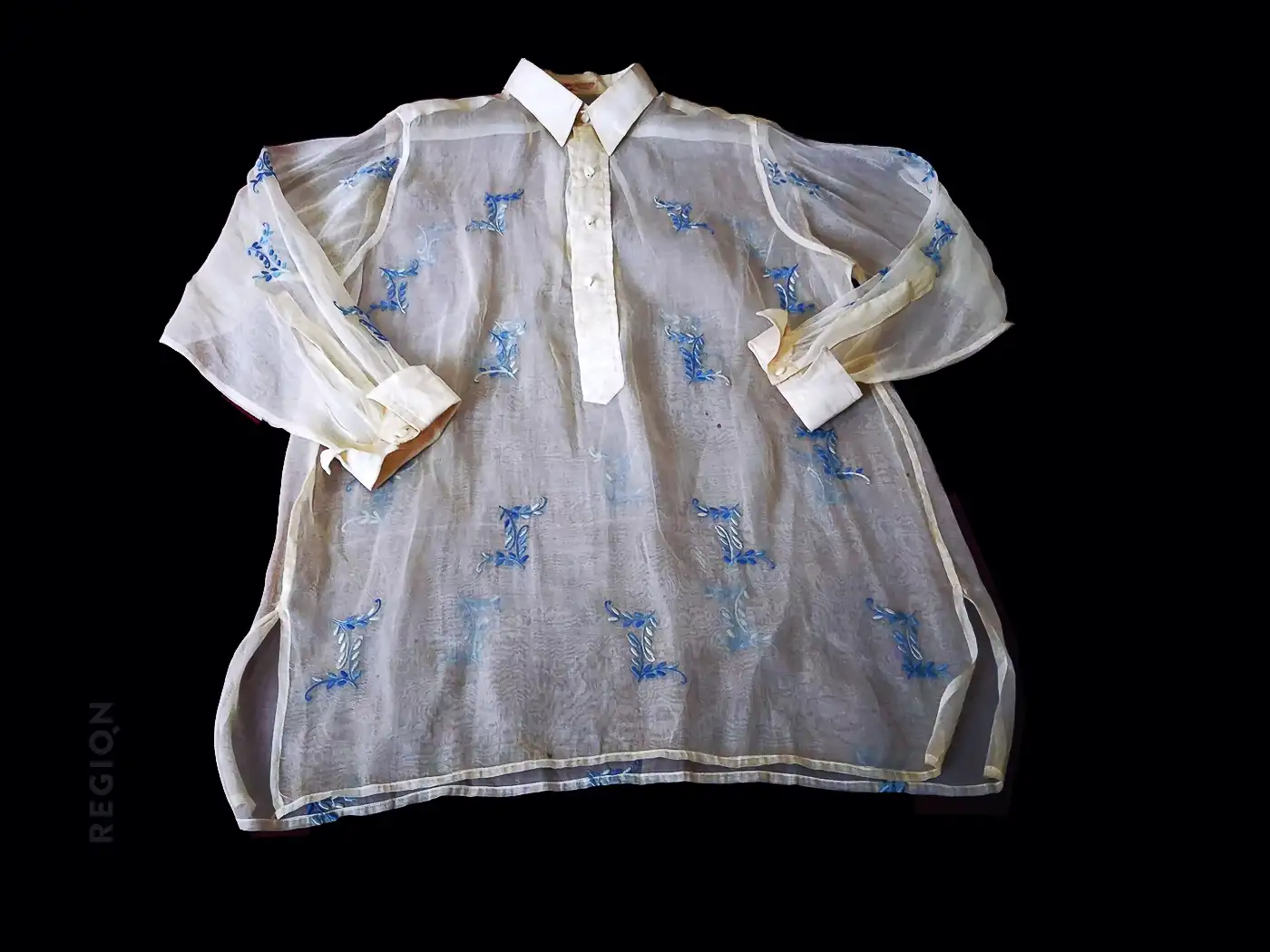
The scene of the groom and the guests, together or separately, wearing their barong tagalog, has ceased to be as frequent as it used to be not too long ago.
This shirt (baron It does not come from male against what can be read with any frequency but from bar, which in Tagalog means suit), imposed by the kleptocratic dictator Marcos as «Identity attire», has survived successive fashions.
Those first bar colonial baroque period evolved to the shirt off that today we could identify, devoid of bib and cuffs or not, with the Caribbean guayaberas or, as they also call, tacky.
However, curiously, the bride has detached herself before the typical national dresses to choose those of western echo, with a veil in any case, veil and candles, quite contrary to what is usual, that they wear for longer than the usual ones. males to traditional use, so common to see throughout Southeast Asia.
In any case, for the wedding banquet the warning from Luke's parabolic gospel of how guests should attend a wedding is a minor issue in Manila, even with a largely Catholic Filipino population, because it will always be nourished. the group ready to attack in any way an abundant and delicious feast. ✑REGION
Exquisite text and splendid photographs. He did not know about Juan de Herrera. Resonances of the galleon in the «aventar»-
Thanks for the comment. That adventure of Galeones, Magalles and Elcano is absolutely incredible. The Philippines deserves a trip, with or without a beach.
Nicely said! keep it coming
Nice Pineapples, thanks!